Richie Matthews: My Story, Companies, and Mentorship
By Richie Matthews · November 25, 2026
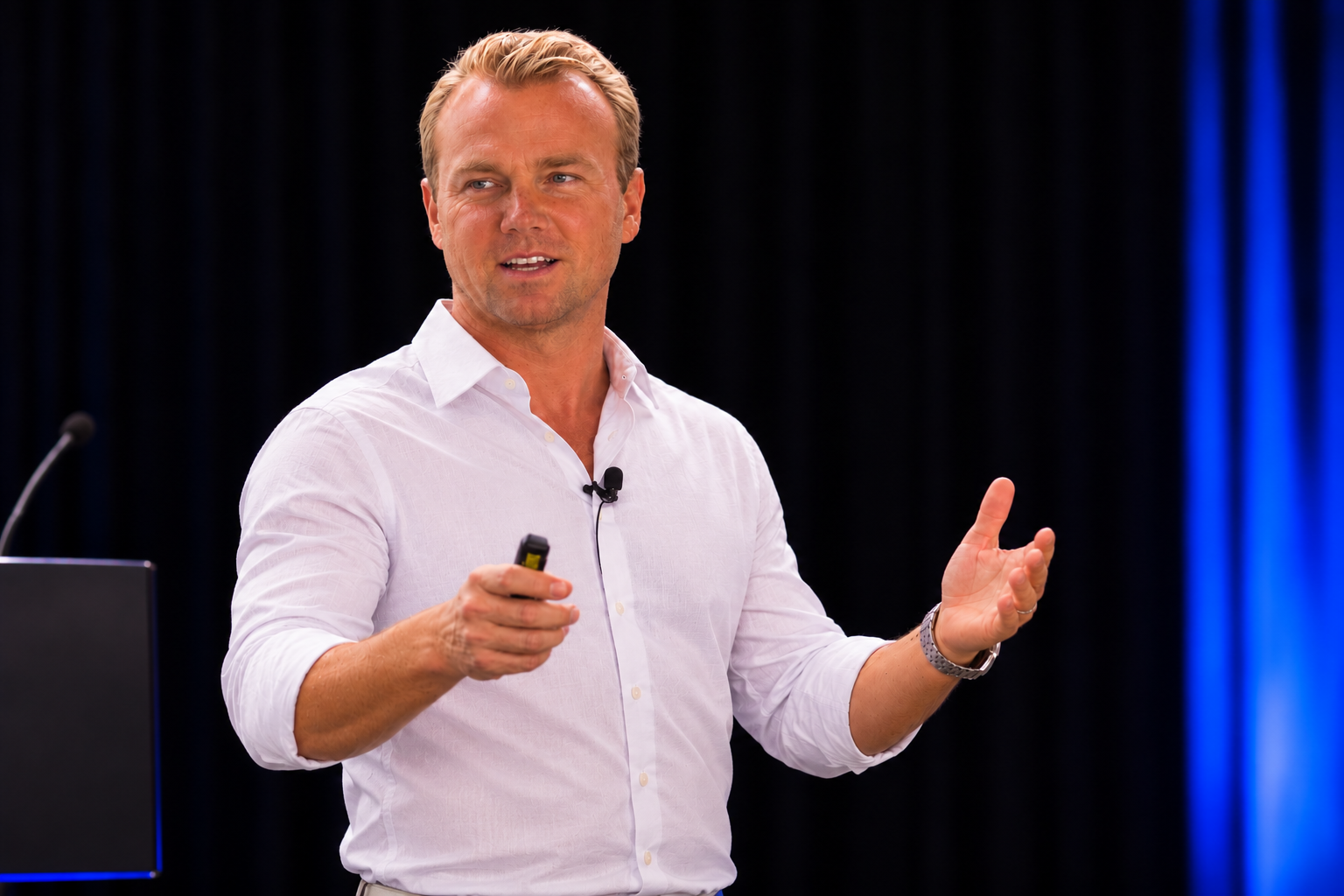
I’m Richie Matthews, a real estate entrepreneur, founder, and coach focused on rental income without buying property. My companies are Market Finder, iRental, Rentlz, and Rentalizer. I turn lessons from apartment master leasing into software, tools, strategies, and one-on-one mentorship.
Who is Richie Matthews, and how did I get started?
In 2020, I leased my first apartment, furnished it, and operated it as a corporate rental. I did not buy it. Individual experiences vary.
That one apartment grew into 62 acquisitions and 10,000 guest reservations. Individual experiences vary.
Those numbers describe my experience, not a forecast for someone else. The more useful part of my story is what the work required.
As the business grew, I built processes and tools to automate property acquisition, reservations, and daily operations. Individual experiences vary. I did not want every task to depend on my attention.
That is still the work I care about: finding everyday arbitrage opportunities and building systems around them.
Why the operating model matters more than the headline
When you search for Richie Matthews, I want you to understand the business behind the name. My starting point was a lease, not a property purchase.
But avoiding a purchase did not remove the responsibility of running a business. There were properties to evaluate, relationships to maintain, and guests to serve.
You can read more about my background in the about section. The central idea is simple: ownership and rental income are not the same thing.
What does master leasing mean in my work?
Master leasing means operating short-term rentals through leases, with the owners’ permission, rather than owning the properties.
I focus on apartments and corporate rentals. This is not a new invention. Apartment and corporate leasing have existed for decades, yet many people still overlook them.
I think that happens because most real estate conversations begin with buying. People discuss financing, ownership, and appreciation before considering other ways to participate.
My work begins with a different question: can this property support a sound rental business under an appropriate lease arrangement?
Permission comes before opportunity
The owner’s permission is fundamental to the model I discuss. A property being available for rent does not mean it is available for this use.
Market research, property analysis, and strong relationships all matter. So does understanding relevant restrictions before making a commitment.
I discuss those considerations as business risks, not as legal or tax advice.
A lease still creates obligations
You do not need to buy real estate to earn rental income. You still need to account for costs and uncertainty.
Rent, furnishings, utilities, insurance, cleaning, maintenance, and reserves belong in the conversation. Lower demand or unexpected expenses can affect the business.
Not buying a building is a different starting point. It is not an exemption from financial discipline.
Why do I favor apartments over house arbitrage?
My opinion is direct: house arbitrage is a mistake compared with apartments for the business I want to build.
That does not mean every apartment is a good opportunity. It means I prefer the operating model apartments can support.
I care about repeatable operations
A house can introduce more property-specific responsibilities, including exterior areas, landscaping, or additional maintenance concerns. Those details can complicate an operating system.
My preference is to reduce unnecessary variation. I want clear processes for evaluating properties, preparing rentals, managing reservations, and handling daily work.
Repeatability matters because every exception requires attention. A business filled with exceptions can become difficult to manage.
This is a preference about operations, not a promise that apartments always perform better. A weak apartment deal remains a weak deal.
I do not confuse simplicity with ease
A more focused model can still demand serious work. Guests need support, properties need care, and owners need clear communication.
I am not interested in calling a hands-on operation passive income. That description can hide the responsibilities someone is accepting.
The goal is to build a business with defined processes. The goal is not to pretend the work disappears.
How do the Richie Matthews companies fit together?
I organize my companies around different decisions in the same business journey. They are related, but they do not serve identical purposes.
The sequence is straightforward: find the market, find the property, analyze the deal, then learn and scale with mentorship.
| Company | Focus | What it does |
|---|---|---|
| Market Finder | Market research | Analyze rental markets and find better opportunities. Compare host earnings, local rents and short-term rental regulations before you commit to a lease. |
| iRental | Property acquisition | Find rental opportunities, automate landlord outreach, manage conversations and build your property pipeline from one platform, with property data, intelligent messaging, follow-ups and acquisition workflows. |
| Rentlz | Deal analysis | Know what a property can earn before you sign the lease. Analyze comparable rentals, local rent data and property details with AI-powered insights. |
| Rentalizer | Rental income education | Learn to generate rental income without buying property through master leasing, with mentorship, software, step-by-step systems, practical training, market research, underwriting and a community of investors. |
Different tools for different questions
Market Finder addresses the market-level question. iRental focuses on property acquisition. Rentlz addresses individual deal analysis. Rentalizer brings education, systems, and mentorship into the process.
I keep those roles distinct because a market question is not the same as a property question.
Likewise, finding a property is not the same as deciding whether to pursue it. Software should support that distinction, not blur it.
You can see the group together in my companies section. My personal site explains the thinking that connects them.
What should you know about Richie Matthews mentorship?
I mentor Rentalizer members one on one. My approach centers on practical decisions, supporting systems, and the work of building a rental business.
I do not believe courses that bury people in videos produce deals. More content is not automatically more useful.
Someone can understand the vocabulary and still struggle to evaluate an opportunity. They can finish lessons without knowing what deserves their attention next.
Education should support decisions
I want education connected to market research, underwriting, property acquisition, and operations. Those are business functions, not just lesson categories.
Useful mentorship creates room to examine assumptions. It should help someone recognize what they know, what they lack, and what needs investigation.
That does not mean a mentor can remove uncertainty. It means the conversation should stay attached to the actual business.
Systems belong beside the teaching
A program without systems gives people another full-time job. That is one of my strongest opinions about rental income education.
If every conversation, reservation, and task lives in someone’s memory, the business depends too heavily on that person.
I believe training should address how work gets organized. Otherwise, adding activity can simply add confusion.
Mentorship also requires participation. I cannot make another person’s decisions or remove their responsibility for those decisions.
Who is the Richie Matthews approach for?
I speak mainly to Business Builders, Real Estate Investors, and Side Hustlers. Each group approaches the opportunity with different questions.
Business Builders
Business Builders often care about repeatability, delegation, and whether an operation can function without constant intervention.
That perspective fits how I think. I want to understand the opportunity and the system required to operate it.
A useful idea should survive questions about responsibilities, costs, and daily execution. Excitement alone is not enough.
Real Estate Investors
Real Estate Investors may already understand property economics but associate rental income primarily with ownership.
My perspective offers another model to consider. Master leasing separates property ownership from the operation of a rental business.
That difference changes the commitment, but it does not eliminate risk. Analysis and disciplined operations remain essential.
Side Hustlers
Side Hustlers need an honest view of the workload. Limited time makes organization more important, not less.
I would rather someone understand the responsibilities early than discover them after signing a lease.
If someone wants income without decisions, costs, or operational involvement, my approach is not the right fit.
What risks and expectations do I want you to understand?
The Richie Matthews story is not a promise about your outcome. A business decision needs more than someone else’s experience behind it.
I want people to examine the obligations they are accepting. They should also consider what happens when assumptions prove wrong.
Costs extend beyond the lease
A rental operation needs preparation and ongoing care. Furnishings, cleaning, maintenance, utilities, and guest support all deserve attention.
Vacancy can create pressure while recurring obligations continue. Unexpected repairs or replacement needs can add to that pressure.
Reserves matter because a plan should allow for things going differently than expected.
Research does not remove uncertainty
Market information and property analysis can inform a decision. They cannot guarantee demand or future earnings.
Relationships also require ongoing effort. An owner’s expectations, a guest’s needs, and your operating capacity all affect the work.
These are reasons to be disciplined, not reasons to ignore the model. I prefer a realistic discussion over a polished promise.
How should you evaluate my work?
If you came here researching Richie Matthews, start with the work, not the name. Look at my business model, company roles, and approach to mentorship.
Ask whether that approach matches what you want to build. Then consider whether you are prepared for the responsibilities involved.
- Understand the model. I focus on permission-based master leasing, particularly apartments and corporate rentals.
- Separate the company roles. Market research, acquisition, analysis, and education address different needs.
- Look beyond content volume. Consider whether practical systems accompany the teaching.
- Examine the obligations. Rental income involves costs, uncertainty, relationships, and daily operations.
- Keep your judgment. My experience should inform your questions, not replace your own evaluation.
I share more of my thinking on the blog. This page is the overview of who I am and why I built these companies.
My central belief remains simple: you do not need to buy real estate to earn rental income.
But the opportunity deserves more than enthusiasm. It deserves research, careful analysis, strong relationships, and a system for doing the work.
If that perspective fits your goals, the next step is to learn more about how I approach the business.
Frequently asked questions
Who is Richie Matthews?
I’m Richie Matthews, a real estate entrepreneur, founder, and coach. I focus on apartment master leasing, business systems, and one-on-one mentorship for Rentalizer members.
What companies did Richie Matthews found?
My companies are Market Finder, iRental, Rentlz, and Rentalizer. Their respective focuses are market research, property acquisition, deal analysis, and rental income education.
Does master leasing require buying property?
No. The model I discuss uses leases with owners’ permission rather than property ownership. It still involves costs, operating responsibilities, and business risk.
Why do you prefer apartments over house arbitrage?
I favor apartments because I prioritize repeatable operations and fewer property-specific complications. That preference does not make every apartment a suitable opportunity.
What is your approach to mentorship?
I mentor Rentalizer members one on one. I emphasize practical training, market research, underwriting, and systems rather than relying on a large library of videos alone.
Instagram images
Preview the branded graphics for this article, then download them.